
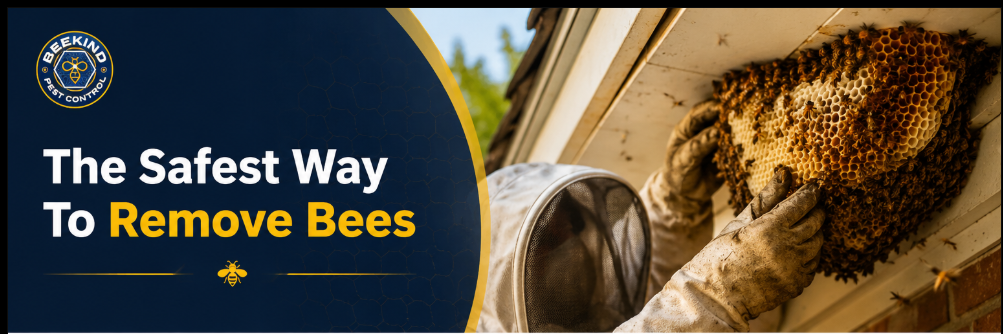
Understanding The Difference Between A Swarm And An Established Colony
One of the biggest misconceptions we come across is that every bee problem can be solved by calling a beekeeper. While this may be true for a swarm of honey bees resting on a tree, fence or hedge, it is often not the case when a colony has become established inside a building.
A swarm is usually temporary and has not yet built honeycomb. In many cases, an experienced beekeeper can safely collect and relocate it.
However, once bees have established a colony inside a wall cavity, chimney, roof space, floor void or another part of a building, the situation changes completely. The honeycomb, brood, queen bee and thousands of worker bees are all contained within the structure, and accessing them safely often requires specialist building work.
Why Established Bee Colonies Need Specialist Access
Removing an established honey bee colony is not simply a case of collecting the bees.
To relocate the colony successfully, the entire nest must be accessed and removed. Depending on where the bees are located, this may involve carefully removing roof tiles, bath stone, brickwork, render, cladding, soffits, fascia boards, plasterboard or stud walls before the colony can be reached.
Many removals also require specialist scaffold systems to create a safe working platform. These structures must safely support technicians, equipment, large quantities of honeycomb and, in some situations, hundreds of kilograms of building materials that need to be removed and reinstated during the process.
This level of work goes well beyond traditional beekeeping and requires experience in both honey bee relocation and building access.
Why Professional Bee Relocation Matters
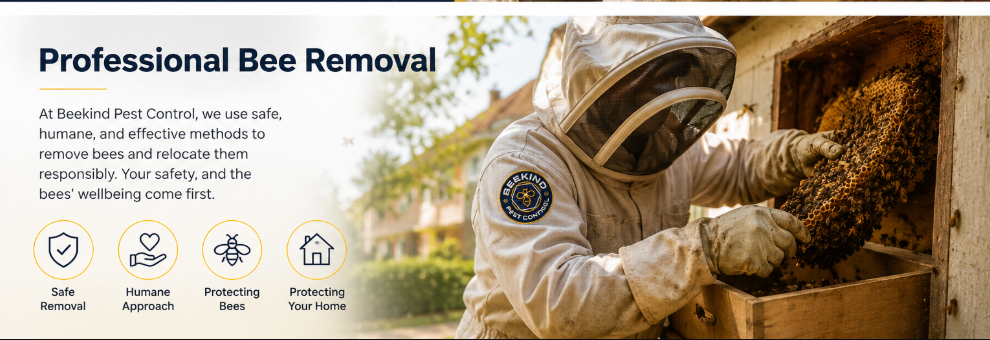
At Beekind Pest Control, we specialise in the safe removal and relocation of honey bee colonies from buildings while protecting the surrounding property wherever possible.
Our team is trained, experienced and fully insured to remove and reinstate a wide variety of building materials, including bath stone, brickwork, render, roof tiles, cladding, soffits, fascia panels, plasterboard and stud walls.
Every colony is assessed individually because no two situations are the same. Factors such as the location of the colony, accessibility, public safety, property type and the condition of the bees all influence the most appropriate approach.
Where possible, our priority is always to relocate healthy honey bee colonies rather than destroy them.
For customers who own listed or heritage properties, we can also provide evidence of our public liability insurance when required. This is often requested before carrying out work on Grade I and Grade II listed buildings, providing additional reassurance that both the property and the work are fully protected.
Benefits Of Professional Bee Relocation
Expert Assessment Before Any Work Begins
Every bee colony is different. Before recommending any course of action, we identify the species, assess the location of the colony and explain the options available. This ensures property owners understand exactly what is involved before any work begins.
Safe Access To Building Structures
Established colonies inside buildings often require careful removal of parts of the structure to gain access. Our experience allows us to carry out this work safely while minimising unnecessary damage and protecting the integrity of the building wherever possible.
Protecting Both Property And Bees
Removing only the visible bees rarely solves the problem. The queen bee, brood and honeycomb must also be relocated to give the colony the best chance of survival and to prevent further issues inside the property.
Honest Advice And Practical Solutions
At Beekind Pest Control, we believe customers should understand why the bees have chosen their property, what risks are involved and what options are available. In some situations, immediate intervention may not be necessary. Our role is to provide clear, honest advice so you can make an informed decision that is right for both your property and the bees.
Need help with bees? BEEKIND™ provides humane bee removal and relocation across Chippenham, Bath and the surrounding areas. Call 01225 285825 or 01249 698335, or book an inspection online.
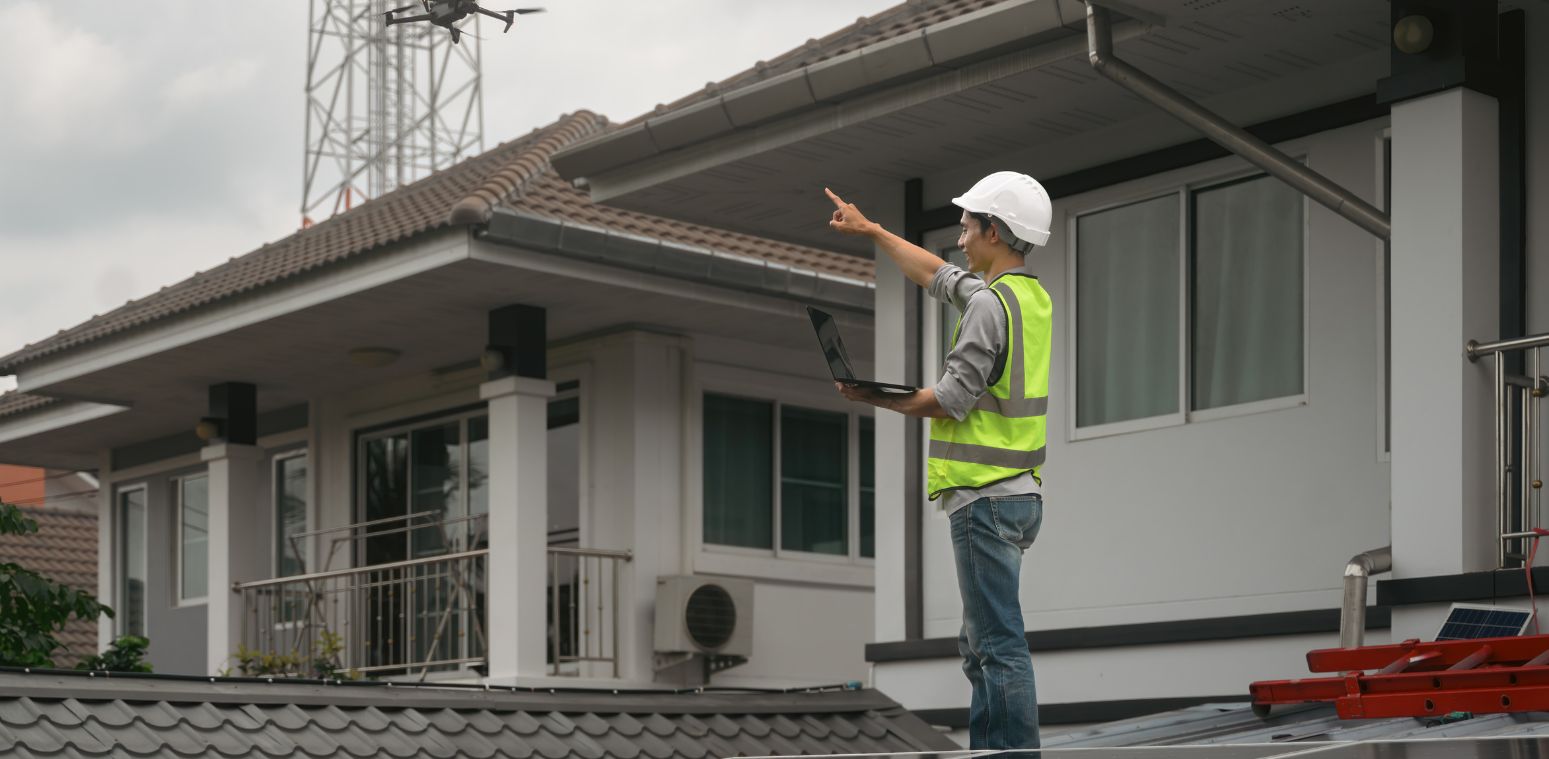
Drone Roof Surveys for Bird Control: How They Help Find and Prevent Bird Problems
Birds on a roof may look harmless, but regular nesting and roosting can create problems for your property. Pigeons, gulls
How Can I Keep Birds From Hitting My Windows?
If you regularly notice birds hitting windows around your home or business, it is worth taking action. A bird may