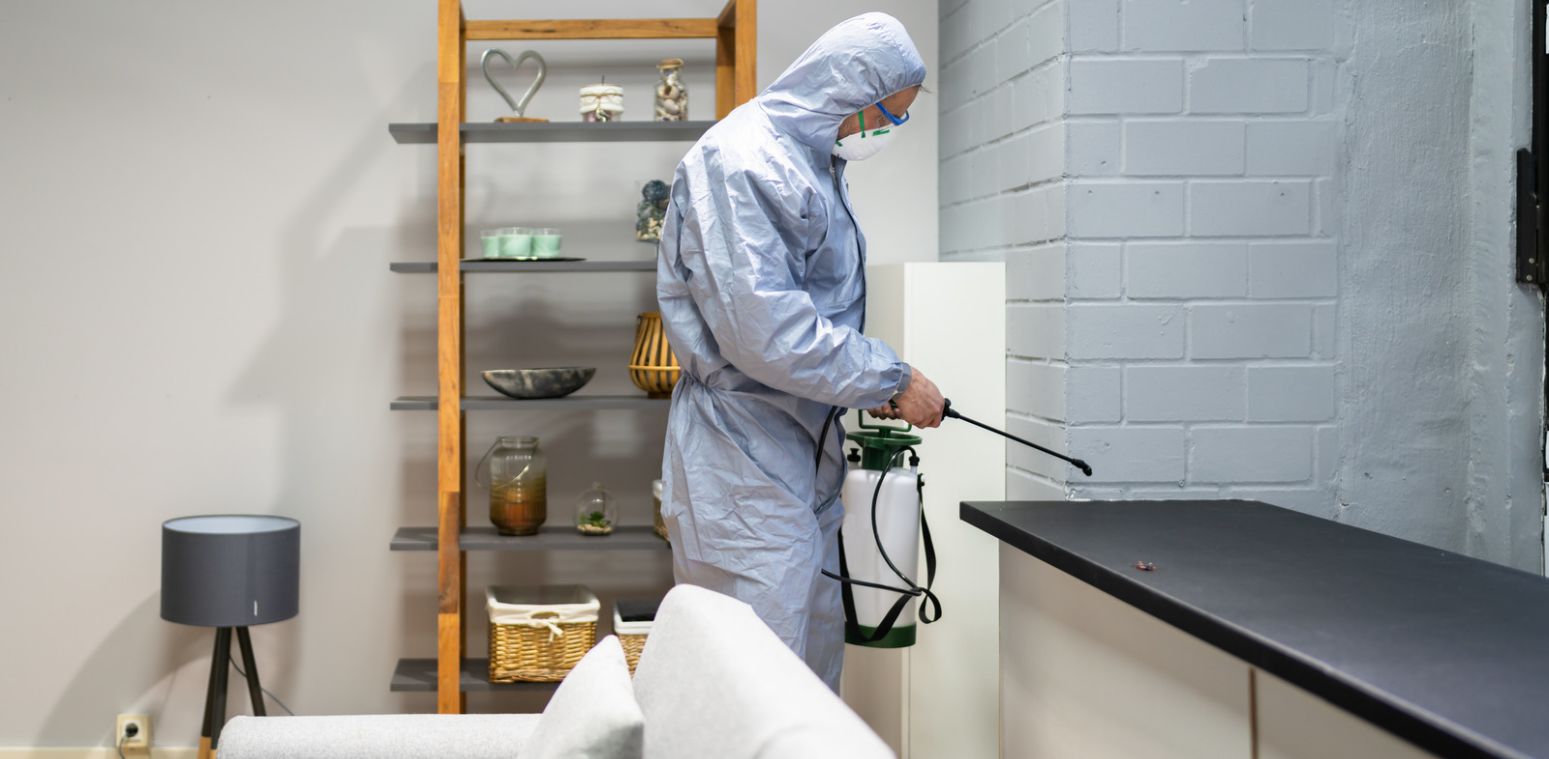
Seeing a pest does not always tell you where the problem started. A professional pest inspection can identify the species, locate entry points, uncover hidden activity and help create a treatment plan that targets the cause rather than only the visible symptoms.
What you can see is often only part of the problem. A few droppings in a cupboard, scratching in the loft or insects appearing around a window may point to activity somewhere else in the property.
Why Is a Pest Inspection Important Before Treatment?
Identifying the Correct Pest
Different pests behave differently. Squirrels, wasps, ants, wood boring insects and other common pests all require different approaches.
Correct identification helps avoid using a treatment that may have little effect on the actual infestation.
Finding the Source of the Infestation
Treating the pests you can see may provide temporary relief, but the nest, colony or harbourage area could still be active.
A proper pest inspection focuses on finding where the problem is coming from.
Locating Entry Points
Small gaps around doors, pipework, roofing, vents and external walls can provide easy access.
Finding and addressing these areas can help reduce the chance of pests returning.
Avoiding Unnecessary Chemical Treatment
A targeted approach means treatment can be focused where it is actually needed rather than applying products across areas with no confirmed activity.
What Happens During a Professional Pest Inspection?
Initial Pest Assessment
The technician will usually begin by asking what you have seen, heard or noticed and when the problem first appeared.
Interior Inspection
Areas such as kitchens, bathrooms, cupboards, lofts and storage spaces may be checked for droppings, damage, nesting materials and other pest activity.
Exterior Inspection
Outside the property, the technician may inspect walls, drains, roof edges, vegetation and possible access points.
Risk Mapping
Moisture, damaged timber, gaps, food sources and sheltered areas can all create favourable conditions for pests.
Treatment Recommendations
Once the evidence has been assessed, the technician can recommend a treatment and prevention plan based on the pest and the property.
What Areas of a Property Should Be Inspected for Pests?
Roof and Attic
Lofts and roof spaces can provide shelter for squirrels, insects and other pests, particularly where gaps or damaged roofing allow access.
Foundation and External Walls
Cracks, vents and service openings should be checked for possible entry routes.
Kitchen and Bathrooms
Food, water and warmth make these areas particularly attractive to many household pests.
Crawlspaces and Subfloors
Where present, these areas can hide moisture problems and pest activity that may not be obvious from inside the home.
Garages and Outbuildings
Stored materials, clutter and less frequent disturbance can provide ideal hiding places.
What Signs Do Pest Inspectors Look For?
Droppings and Pest Waste
Droppings and other waste can help indicate the type of pest and where it may be travelling.
Gnawing and Structural Damage
Chewed materials, damaged timber and marks around openings may point to squirrels or other pest activity.
Nesting Materials
Paper, insulation, fabric and other materials can sometimes be used to create hidden nesting areas.
Moisture and Wood Damage
Damp conditions can attract certain pests and may also create suitable environments for wood damaging insects.
Entry Gaps and Cracks
Even small openings can become regular access routes.
Why DIY Pest Control Can Miss the Real Problem
Treating Visible Pests Only
Removing the pests you can see does not necessarily remove the nest or source of the problem.
Using the Wrong Product
A treatment designed for one pest may be ineffective against another.
Missing Hidden Nests
Wall cavities, roof spaces, outbuildings and areas beneath floors can conceal activity for long periods.
Pushing Pests Into Other Areas
Poorly targeted treatment may cause some pests to move deeper into the property rather than solving the infestation.
How Seasonal Changes Affect Pest Activity
Summer Heat
Warm conditions can increase insect activity and may push pests towards homes in search of water, food or shelter.
Rain and Moisture
Wet weather can create damp areas and encourage pests to move into drier, more sheltered spaces.
Building Work and Habitat Disturbance
Construction, garden clearance and nearby development can disturb existing habitats and move pest activity towards neighbouring properties.
How Long Does a Pest Inspection Take?
Inspection time depends on the size of the property, access and how complicated the problem appears.
A straightforward home may be assessed relatively quickly, while properties with lofts, outbuildings or difficult access may take longer.
How Often Should You Have a Pest Inspection?
Annual Preventive Inspections
Regular checks can help identify small vulnerabilities before they develop into larger problems.
Inspections After Previous Infestations
Properties with a history of pest activity may benefit from follow up inspections.
Inspections Before Buying a Property
A pest inspection can also help reveal signs of infestation or damage before you complete a property purchase.
What Is a WDO Inspection?
A WDO inspection focuses on Wood Destroying Organisms.
Wood Destroying Insects
This can include insects capable of damaging timber and other wooden parts of a property.
Dry Rot and Structural Risks
The inspection may also look for conditions that could contribute to timber deterioration.
Property Transactions
These inspections can be particularly relevant when concerns about timber condition or previous pest activity arise during a property purchase.
When Should You Book a Pest Inspection?
Scratching noises, droppings, recurring insects, unexplained smells, damaged wood, nests and repeated pest sightings are all signs worth investigating.
It is usually easier to deal with a problem when it is identified early.
How a Pest Inspection Helps Build a Better Treatment Plan
A professional inspection helps confirm the pest, identify where treatment is required and highlight the conditions allowing the problem to continue.
This makes it easier to reduce repeat infestations and build a longer term prevention plan.
At BEEKIND™ Pest Control, we focus on understanding the cause before recommending treatment. The aim is not simply to remove visible pests, but to help protect the property from the conditions that allowed them in.
Frequently Asked Questions About Pest Inspections
How long does a pest inspection take?
It depends on the size of the property, access and the level of suspected activity.
Do I need to leave the house during an inspection?
Usually not. An inspection mainly involves assessment and identifying signs of pest activity.
How often should I schedule a pest inspection?
An annual preventive inspection can be useful, particularly if you have experienced previous infestations.
Can a pest inspection find hidden wood damaging insects?
A detailed inspection may identify signs linked to hidden wood damaging pests, although further specialist assessment may sometimes be required.
Do I need a pest inspection before buying a house?
It can be useful where there are signs of pest activity, timber damage or a history of infestation, as it may reveal issues that are not immediately visible.