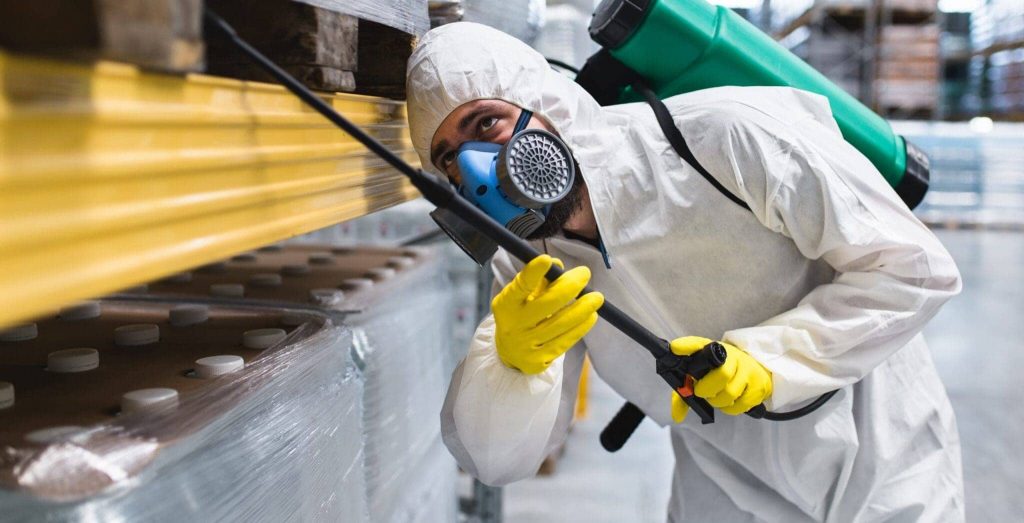
You have had a pest problem dealt with, everything seems quiet again, and then a few days or weeks later you notice fresh insect activity, hear birds returning to the roof area or spot signs that the original problem may not be completely resolved.
It is understandably frustrating, but seeing pest activity after treatment does not always mean the treatment has failed.
Pests can return for several reasons. Eggs may hatch after the first visit, hidden nests may remain, or new pests may enter because food, moisture, warmth or shelter is still available.
At BEEKIND™ Pest Control, we look beyond the pest you can see. Our approach to pest control in Chippenham and the surrounding areas includes identifying the source of the problem, considering how pests are entering the property and using proofing or preventative measures where appropriate.
Is It Normal to See Pests After Pest Control?
Some pest activity shortly after treatment can be normal.
Why You May See More Pests Immediately After Treatment
Certain insect treatments can disturb pests that have been hiding in cracks, cupboards, loft spaces or other sheltered areas.
You may therefore notice activity that was previously hidden.
How Long Can Pest Activity Continue After Treatment?
There is no single timescale because every infestation is different.
The type of pest, size of the problem, property layout and treatment method can all affect how quickly activity reduces.
When Pest Activity Should Start Decreasing
The important point is whether the level of activity is moving in the right direction.
If sightings or other signs continue without improvement, the area may need to be inspected again.
When Seeing Pests Could Mean Further Treatment Is Needed
Repeated insect sightings, fresh nesting material, ongoing bird activity or continued signs around the same area may suggest that some activity remains.
A follow up inspection can help establish why.
Why Do Pests Return After Treatment?
Getting rid of the pests you can see is only one part of effective pest control.
Pest Eggs May Survive the Initial Treatment
Some insects have life cycles that make a single treatment unlikely to deal with every stage at once.
Eggs or developing insects may remain hidden and become active later.
Hidden Nests May Remain
Pests are very good at finding places that people rarely see.
Insects may remain behind cupboards, beneath appliances, within cracks or in roof spaces.
New Pests Can Enter the Property
A successful treatment does not stop another pest from entering later.
If gaps around pipes, damaged vents, roof openings or spaces beneath doors remain accessible, the property can become vulnerable again.
Food Sources Are Still Available
Even small amounts of accessible food can encourage pests.
Crumbs, pet food, open packets, overflowing bins and poorly stored ingredients may all contribute.
Moisture Can Continue to Attract Pests
Leaks, damp areas and standing water can create suitable conditions for insects.
Entry Points Have Not Been Proofed
Proofing is an important part of long term pest prevention.
Sealing suitable openings and addressing damaged areas can help reduce opportunities for pests to return.
Outdoor Pest Activity Continues
Gardens, sheds, roof areas, outbuildings and neighbouring properties can all support pest activity.
That means activity outside may eventually lead to another problem indoors.
Seasonal Changes Can Bring New Pest Problems
Pest activity changes throughout the year.
Warmer periods can increase insect and wasp activity, while birds may return to familiar nesting or roosting areas.
One Visit May Not Complete the Treatment Programme
Some infestations require monitoring or several treatment stages.
A planned follow up allows the technician to assess whether activity has reduced and decide whether any additional action is necessary.
Which Pests Can Return After Treatment?
The reason for recurrence depends heavily on the species involved.
Cockroaches
Cockroaches can remain hidden around kitchens, cupboards, pipework and appliances.
Food, warmth and moisture can continue to support them if the underlying conditions remain unchanged.
Ants
Visible ants may only represent a small proportion of a much larger nest.
If the source remains active, ants may continue using the same routes into a property.
Fleas
Different stages of the flea life cycle can remain within carpets, furnishings and other protected areas.
This is one reason monitoring after treatment is important.
Spiders and Other Crawling Insects
Spiders may continue to appear where there is a good supply of insects for them to feed on.
Reducing the wider insect population can therefore form part of controlling spider activity.
Moths
Moths can continue developing where affected food products, fabrics or breeding material remain available.
Locating and removing the source is particularly important.
Wasps
Wasp activity can increase during warmer months, particularly around roof spaces, sheds and sheltered areas.
If a nest remains active or another suitable nesting location is available, wasps may continue to appear around the property.
Birds
Bird problems are slightly different because simply removing visible activity does not necessarily prevent birds from returning to roofs, ledges or solar panels.
Professional bird control and proofing can help make these areas less suitable for repeated nesting or roosting.
What About Bees Returning to a Property?
Bees need to be approached differently from many other pests.
At BEEKIND™ Pest Control, we are advocates of protecting bees wherever possible and offer live honey bee removal and relocation.
If honey bees have established a colony within a building, removing only visible bees is not enough. The colony, including the queen, needs to be properly located and managed.
Where appropriate, reinstatement and proofing can also help reduce the chance of another colony using the same space in future.
How Long Does Pest Control Take to Work?
The answer depends on what is being treated.
What Happens During the First Few Days?
You may still see some activity while a treatment begins working or while disturbed pests move from their hiding places.
Why Results Vary by Pest
A minor ant problem is very different from a larger insect infestation developing behind fitted units or repeated bird activity around a roof.
That is why BEEKIND™ considers the pest, size of the problem and property layout before recommending a solution.
Why Some Infestations Need Several Visits
Follow up visits allow the technician to check whether activity is reducing and whether proofing or additional treatment is needed.
How Pest Life Cycles Affect Treatment
Insect eggs, larvae and adults can respond differently to treatment.
Breaking the complete pest life cycle may therefore take more than one stage.
How Can You Stop Pests Coming Back?
Long term pest prevention often comes down to removing the things that make a property attractive and accessible.
Arrange a Detailed Pest Inspection
A professional pest inspection can help identify the species involved, likely nesting areas, entry points and conditions supporting the problem.
Remove Food Sources
Clean food spills promptly and keep food in suitable sealed containers.
Reduce Moisture
Repair leaks and investigate damp areas that may be providing pests with water.
Seal Suitable Entry Points
Check around doors, pipework, vents, roof areas and other openings.
Keep Bins Secure
Domestic and commercial bins should close properly and be emptied regularly.
Maintain Outdoor Areas
Overgrown vegetation, clutter and stored materials close to buildings can create suitable shelter for insects and other pests.
Consider Bird and Solar Panel Proofing
Roofs and solar panels can provide protected areas for birds.
Suitable proofing can help discourage repeated nesting and reduce associated mess and damage.
Follow the Recommended Treatment Plan
If follow up visits have been recommended, completing the programme gives the treatment the best chance of achieving lasting control.
Why Follow Up Pest Treatments Matter
A follow up visit is not simply repeating the first treatment.
It allows the pest controller to assess what has changed.
Remaining activity can be identified, newly emerged insects can be addressed and any previously hidden access points or nesting areas can be investigated.
For BEEKIND™, this also creates an opportunity to consider whether practical prevention or proofing could reduce the chance of the same problem returning.
Can You Prevent Pests Returning Permanently?
No responsible pest control company can promise that a property will never experience another pest problem.
Insects, birds and other wildlife move naturally through the environment.
However, professional pest control, good housekeeping, regular inspections and appropriate proofing can significantly reduce the risk of repeated infestations.
The aim is not simply to react every time a pest appears. It is to make your property less attractive and less accessible in the first place.
When Should You Contact Pest Control Again?
Arrange another inspection if pest activity is not reducing, new signs appear, insect activity continues after the expected treatment period or birds repeatedly return to roof areas or solar panels.
You should also seek advice if you discover a bee colony within part of the building.
Identifying the cause early can often prevent a smaller issue from becoming a larger one.
Frequently Asked Questions
Why am I still seeing insects after pest control?
Some insects may remain active for a short period after treatment, while eggs or developing life stages may emerge later. Your pest controller can advise what level of activity is expected for the particular species.
Is it normal to see more insects after treatment?
Sometimes. Treatment can disturb insects from previously hidden areas, making them more noticeable for a short period.
How long should pests remain after treatment?
There is no universal timescale. It depends on the pest, infestation level, treatment method and property conditions.
Can pest eggs survive pest control?
Some treatments may not affect every egg, which is one reason follow up visits can be important for certain insect infestations.
Why do cockroaches come back after treatment?
Cockroaches may return when eggs hatch, hidden insects remain or food, warmth and moisture are still available.
Can birds return after bird control?
Yes, particularly if roofs, ledges or areas beneath solar panels continue to provide suitable shelter. Professional bird proofing can help discourage repeated activity.
Does BEEKIND™ remove bees?
BEEKIND™ Pest Control offers live honey bee removal and relocation where possible. The approach focuses on locating and safely managing the colony rather than treating bees in the same way as other pests.
Keep Pests From Becoming a Repeat Problem
Effective pest control is not just about removing what you can see today.
It means understanding why the pest is there, finding where it is living or entering and reducing the conditions that could allow the problem to happen again.
BEEKIND™ Pest Control provides domestic and commercial pest control in Chippenham and surrounding areas, including insect control, bird control and proofing, solar panel proofing, woodworm treatments and live honey bee removal and relocation.
No two pest problems are exactly the same. That is why BEEKIND™ considers the property, pest species and level of activity before recommending the most appropriate approach, with humane solutions used wherever possible.
Need professional help? BEEKIND™ provides residential and commercial pest control across Chippenham, Bath and the surrounding areas. Call 01225 285825 or 01249 698335, or book an inspection online.