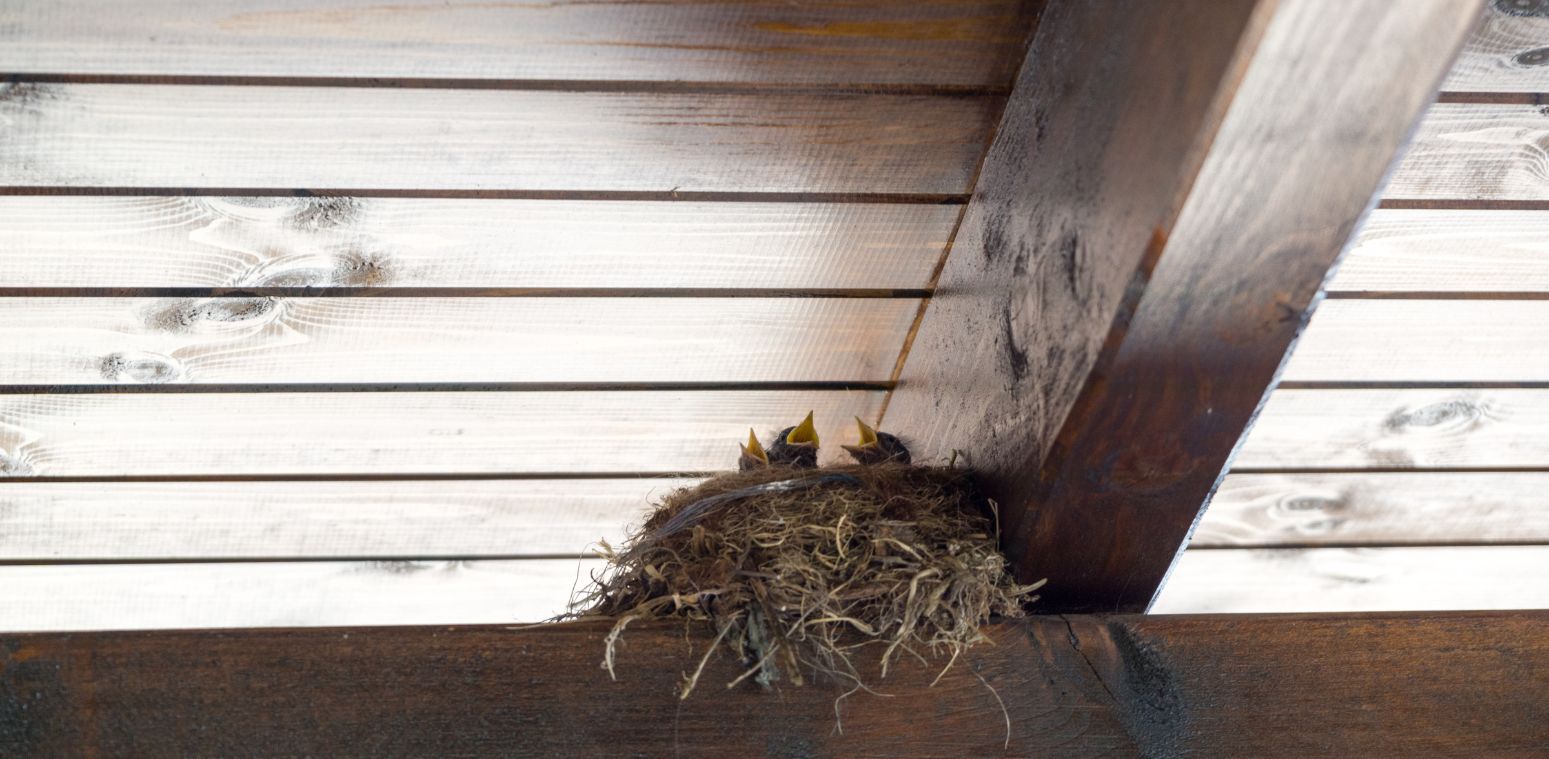
Birds nesting around your home can be a fascinating sight. From watching adult birds collect materials to seeing them return with food for their young, nesting activity gives you a chance to understand local wildlife more closely.
However, when birds choose areas such as roof spaces, chimneys, gutters or wall cavities, they can sometimes create problems for properties. Understanding the signs of nesting birds helps you protect both your home and the wildlife around it.
At BEEKIND™ Pest Control, we believe in humane wildlife management. The aim is not simply to remove birds, but to understand the situation, protect the animal and find the most suitable solution for your property.
When Do Birds Usually Start Nesting?
Why spring is the busiest nesting period
Most bird nesting activity increases during spring and early summer when temperatures rise and food becomes more available. This period gives adult birds the best chance of finding suitable nesting materials and feeding their young.
However, nesting times can vary depending on the bird species, weather conditions and local environment. Some birds may begin earlier, while others may continue nesting later in the year.
How nesting seasons vary between bird species
Different birds have different nesting habits. Some species prefer trees and hedges, while others may choose sheltered areas around buildings.
The location of a nest depends on factors such as available shelter, food sources and protection from predators.
Can birds nest multiple times in one year?
Some birds can raise more than one brood during a nesting season if conditions are favourable. This means you may notice repeated nesting activity around your garden or property throughout the warmer months.
Why understanding nesting behaviour matters for homeowners
Recognising nesting behaviour early helps homeowners avoid accidentally disturbing active nests. It also allows problems around buildings to be addressed at the right time using appropriate and humane methods.
Why Do Birds Choose Homes and Buildings for Nesting?
Shelter from weather and predators
Homes can provide birds with safe, sheltered locations away from harsh weather and some natural predators.
Roof spaces, gaps under tiles, wall cavities and covered areas can appear similar to natural nesting locations.
Warm spaces around roofs and buildings
Buildings often provide warmth and protection, especially during colder periods. Small gaps and sheltered corners may look like ideal nesting areas to birds.
Access to suitable nesting materials
Birds collect many different materials when building nests, including twigs, grass, moss, feathers and plant fibres. Gardens, sheds and outdoor spaces can provide easy access to these materials.
Common areas where birds build nests
Some common nesting locations around properties include:
- Roof edges
• Loft spaces
• Chimneys
• Gutters
• Wall cavities
• Garages and sheds
• Trees and hedges
What Are the Signs Birds Are Nesting Near Your Property?
Birds repeatedly visiting the same area
One of the clearest signs of nesting activity is when birds repeatedly return to the same location.
A bird may visit a roof corner, tree, hedge or another sheltered area several times throughout the day. If there is no obvious food source nearby, it may be checking or returning to an active nest.
Birds carrying twigs, grass or other materials
If you notice birds carrying small pieces of grass, moss, feathers or twigs in their beaks, they may be collecting materials for nest construction.
Pay attention to where the bird travels after collecting the material, as this can help identify the general nesting area.
Birds carrying food away from feeding areas
During nesting season, adult birds often collect insects, worms or other food and carry it away rather than eating it immediately.
This behaviour can indicate that young birds are nearby and waiting to be fed.
Increased bird activity around roofs and gardens
A sudden increase in bird activity around your home may suggest that birds have chosen the area for nesting.
You may notice more frequent visits, louder calls or birds spending more time around a specific location.
Adult birds becoming protective
Some birds become more alert when people or animals approach their nest.
Warning calls, sudden movements or birds repeatedly flying nearby may indicate that they are protecting eggs or young chicks.
Why Are Birds Carrying Nesting Materials?
Common nesting materials birds collect
Birds use a variety of natural materials to create safe spaces for their eggs and chicks.
These can include:
- Grass
• Moss
• Small branches
• Leaves
• Feathers
• Plant fibres
Why birds may use materials around your home
Gardens and properties often provide easy access to nesting materials. Outdoor furniture, sheds, fences and garden plants can all become sources for birds searching for suitable items.
When nesting material can indicate an active nest
A single visit does not always mean a nest is nearby. However, repeated trips carrying materials to the same location are a strong indication that birds may be building a nest.
Why Does a Bird Keep Returning to the Same Place?
Searching for a safe nesting location
Before building a nest, birds often inspect different areas to find somewhere suitable.
They look for locations that provide shelter, safety and enough space.
Building a nest
Once a suitable location is chosen, birds may make repeated trips while collecting materials and shaping the nest.
Protecting eggs and chicks
After eggs are laid, adult birds continue returning to protect the nest and provide care.
Feeding young birds
Frequent visits from adult birds carrying food are often a sign that chicks are present.
Keeping watch over nearby activity
Parent birds remain alert around active nests. They may monitor people, pets and other animals that come too close.
Where Do Birds Commonly Build Nests Around Homes?
Roof spaces and loft areas
Small gaps around roofs can provide shelter from rain and wind. However, nesting activity in these areas can sometimes lead to blocked ventilation, noise problems or access issues.
Chimneys and vents
Some birds may choose chimneys or ventilation openings because they provide protection. This can create problems if access is restricted or nesting material blocks airflow.
Gutters and roof edges
Bird nests in gutters can prevent water from draining correctly, potentially contributing to overflow and damp issues.
Wall cavities
Small openings in walls can appear attractive to nesting birds but may become difficult to manage once a nest is established.
Should You Remove a Bird Nest From Your Property?
Why active nests should not be disturbed
Active bird nests containing eggs or chicks should not be removed or disturbed without proper advice.
Disturbing nesting birds can cause unnecessary stress and may affect the young birds.
Protecting eggs and young birds
If you discover a nest, the best approach is usually to observe from a safe distance and avoid unnecessary activity around the area.
Why professional advice may be needed
If birds are nesting in a location that creates a property concern, professional guidance can help identify the safest solution.
What Problems Can Birds Nesting Around Homes Cause?
Blocked gutters
Nesting materials can build up in gutters and affect normal water flow.
Damage around roof areas
Repeated nesting activity around roof spaces can contribute to maintenance issues over time.
Bird fouling around buildings
Bird droppings around entrances, walls and outdoor areas can create cleaning and hygiene concerns.
Noise disturbance
Some homeowners experience increased noise from birds nesting close to bedrooms or living spaces.
How Can You Prevent Birds Nesting in Unwanted Areas?
Check roof gaps and openings
Regular property checks can help identify possible access points before birds begin nesting.
Install suitable bird proofing measures
Bird proofing can help prevent access to unwanted areas while allowing safe coexistence with wildlife.
Maintain gutters and roof spaces
Keeping areas maintained reduces opportunities for birds to establish nests in problem locations.
Use humane prevention methods
Effective bird control focuses on prevention and protection rather than unnecessary harm.
How Can BEEKIND™ Pest Control Help With Bird Problems?
BEEKIND™ Pest Control provides humane bird control and proofing solutions designed to protect homes and businesses while respecting wildlife.
Our approach focuses on understanding the cause of the problem, assessing the property and recommending suitable long term solutions.
Whether birds are creating issues around roof spaces, access points or commercial buildings, professional advice can help you manage the situation safely.
FAQs About Birds Nesting Near Your Home
How do I know if birds are nesting near my house?
Common signs include birds repeatedly visiting the same area, carrying nesting materials, carrying food away and showing protective behaviour around a location.
Can birds damage my roof by nesting?
Bird nests themselves do not usually damage roofs, but nesting materials can sometimes block gutters, vents or access points and create maintenance problems.
Should I remove a bird nest from my roof?
Active nests should not usually be disturbed. If a nest is causing concerns, seek professional advice before taking action.
How can I stop birds nesting under roof tiles?
The best approach is prevention through suitable bird proofing measures before nesting activity begins.
Is bird proofing safe for wildlife?
When carried out correctly, humane bird proofing helps protect properties while reducing risks to birds.
When should I contact a pest control professional for bird problems?
You should seek advice when birds are repeatedly nesting in unwanted areas, causing property issues or when you are unsure about the safest solution.
Need help with birds? BEEKIND™ provides humane bird control and proofing, including solar panel proofing, across Chippenham, Bath and the surrounding areas. Call 01225 285825 or 01249 698335, or book an inspection online.