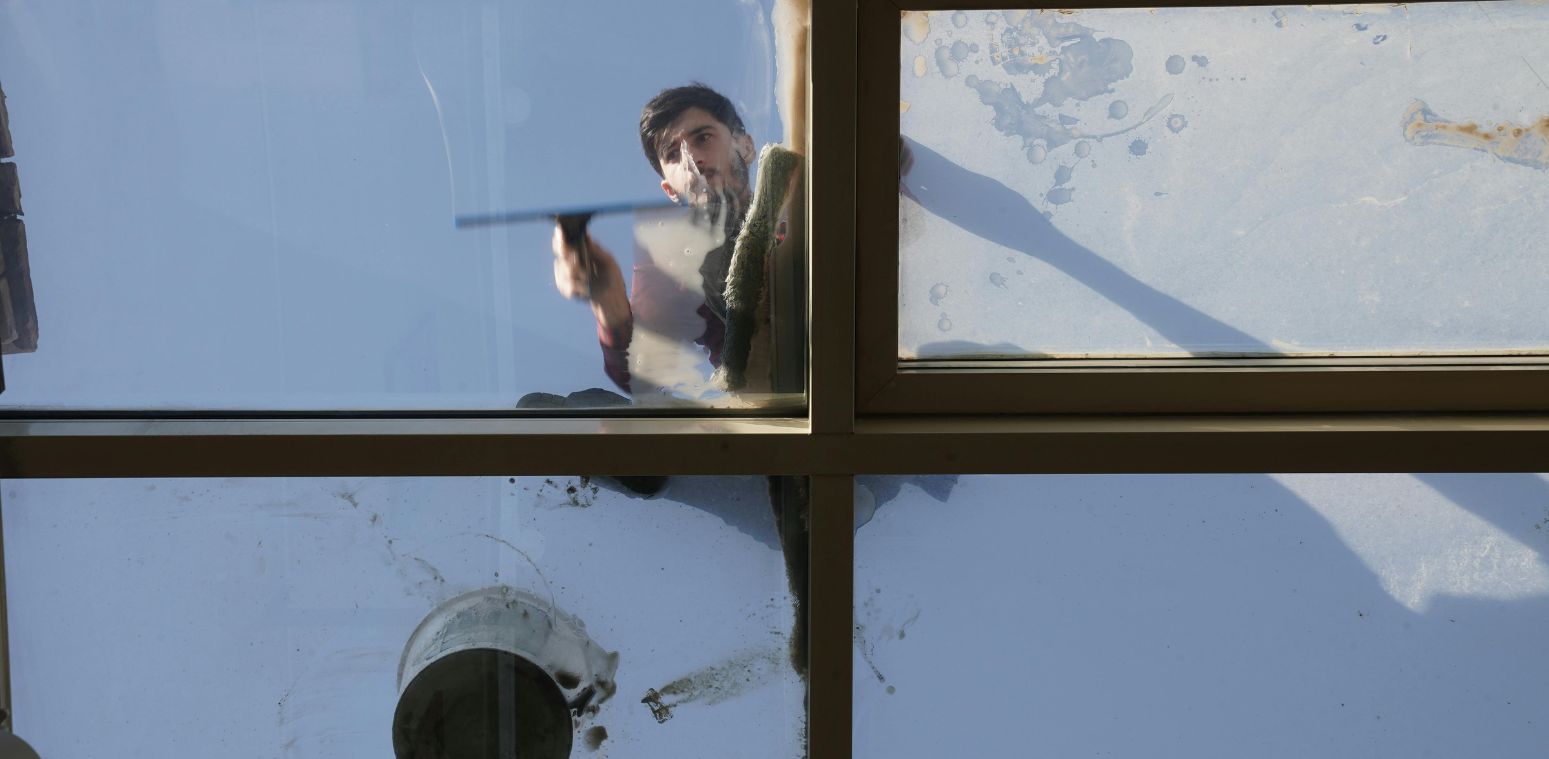
If you regularly notice birds hitting windows around your home or business, it is worth taking action. A bird may see reflected trees, sky or garden rather than recognising the surface as glass.
Bird window collisions can cause injury and, in some cases, can be fatal. Fortunately, there are practical ways to make windows more visible and reduce the risk.
The most effective approach is usually to make the outside surface of the glass easier for birds to recognise or create a physical barrier between the bird and the window.
Here is how to stop birds from hitting windows while keeping your property practical and comfortable.
Why Do Birds Hit Windows?
Birds do not understand glass in the same way people do.
A window can reflect trees, plants, clouds and open sky. To a flying bird, that reflection may look like a clear route through the landscape.
Transparent glass can cause a similar problem. If a bird can see vegetation or daylight through windows on opposite sides of a building, it may try to fly through.
This is why bird window collisions can occur even when the glass is clean and clearly visible to us.
The aim of bird safe window treatments is simple. Make the glass obvious before a bird reaches it.
How to Stop Birds From Hitting Windows
There are several ways to make existing windows safer. The right method depends on the type of window, its location and how often collisions occur.
Install Window Screens or Netting
Exterior window screens can create a physical barrier between birds and the glass.
Suitable netting can also help, but it needs to be installed correctly. It should be stretched securely and positioned away from the glass so that a bird does not strike the hard surface directly.
Loose netting can create an entanglement risk, so installation needs careful attention.
For properties experiencing repeated bird strikes, a properly designed exterior barrier can be a useful option.
Apply Bird Safe Window Film
Window film can make large areas of glass more visible.
Some products use patterns, dots or other visual markers that break up reflections while still allowing light into the room.
The important point is visibility.
A bird safe window film should make the glass look like a solid obstacle rather than open space.
For the best results, treatments designed to prevent bird window collisions are generally applied to the outside surface where they can interrupt exterior reflections.
Use Exterior Tape or Window Decals
Tape and window decals can help, but spacing matters.
One small sticker in the middle of a large window leaves most of the reflective glass unchanged.
Instead, markings should cover the glass in a regular, closely spaced pattern.
Dots, lines and simple shapes can all work as visual signals when they are positioned correctly.
The goal is not necessarily to frighten birds. It is to show them that there is a physical surface in front of them.
Paint or Mark the Outside of the Glass
Temporary or permanent markings can also make windows more noticeable.
Patterns can be added using suitable window markers or paint designed for glass.
This can be particularly useful if bird collisions only happen at certain windows or during particular periods.
Again, the markings need to cover enough of the window. A few isolated marks are less useful than a consistent pattern across the problem area.
Install External Shutters
External shutters provide a simple option for windows that do not need to remain uncovered throughout the day.
Closing shutters removes the reflection and creates a clearly visible physical surface.
This may be useful for rooms that are empty for part of the day or windows where bird strikes happen regularly at particular times.
Adjust Your Window Blinds
Interior blinds may help reduce some visual effects through the window, although external treatments are generally more effective at dealing with reflections on the outside of the glass.
If you have vertical blinds, adjusting the slats can help break up the appearance of open space through the building.
Think of blinds as an additional measure rather than relying on them alone where collisions are frequent.
Do Bird Window Decals Really Work?
Bird window decals can help when they are used correctly.
The common mistake is placing one or two large stickers on an otherwise clear window.
Birds may simply attempt to fly through the open spaces around them.
Instead, use multiple decals or markings across the glass.
Decorative silhouettes of birds of prey should not be treated as something that automatically scares other birds away. The important factor is making the window surface visible.
Think pattern rather than predator.
Where Should Window Markings Be Placed?
For most reflection related bird collisions, markings should be placed on the outside of the glass.
This is because exterior markings interrupt the reflection before the bird reaches the window.
Spacing is also important.
A useful approach is to create a close and consistent pattern across the problem window rather than leaving large clear spaces.
Before choosing a product, check its installation guidance and make sure it is specifically designed for bird collision prevention.
What Should You Do If a Bird Hits Your Window?
If a bird hits your window and is lying still, avoid immediately assuming it has recovered simply because it later moves.
Keep pets and people away and observe the bird from a safe distance.
If the bird appears injured, cannot fly normally, is bleeding or remains unresponsive, contact a local wildlife rescue organisation or qualified wildlife rehabilitator for advice.
Avoid giving an injured wild bird food or water unless a wildlife professional specifically advises you to do so.
Once the immediate situation has been dealt with, check the window where the collision happened. A repeated strike at the same window is a sign that the glass may need a more visible treatment.
How to Make Your Windows More Bird Friendly
Preventing birds from hitting windows is usually about changing what the bird sees.
Start with windows where collisions have already occurred.
Look for strong reflections of:
- Trees
- Shrubs
- Open sky
- Garden vegetation
- Bird feeding areas
Consider exterior screens, suitable window film, closely spaced markings or other visible treatments.
If you are planning new windows, bird friendly design can also be considered from the beginning rather than adding treatments later.
Small changes to problem windows can make your property safer for visiting birds.
At BEEKIND™ Pest Control, we believe wildlife related issues should be approached responsibly. Where birds are causing problems around a property, the aim should be to understand what is attracting or confusing them and use appropriate measures that consider both the property and the animals involved.
FAQs About Birds Hitting Windows
Why do birds keep flying into my windows?
Birds may mistake reflections of trees, sky and vegetation for open space. Transparent glass can also appear to provide a clear route through a building.
What is the best way to stop birds hitting windows?
Making the outside of the glass clearly visible is one of the most practical approaches. Screens, suitable window film and closely spaced exterior markings can all help.
Do window stickers stop birds hitting windows?
They can help when enough stickers are used and they are positioned close together. One or two isolated stickers are unlikely to make the entire window obvious.
Should bird decals go inside or outside the window?
Exterior placement is generally more useful for interrupting reflections on the outside surface of the glass.
Does window film prevent bird collisions?
Suitable bird safe window film can reduce collision risk by making glass more visible. Choose a product designed for bird collision prevention and follow its installation instructions carefully.
Need help with birds? BEEKIND™ provides humane bird control and proofing, including solar panel proofing, across Chippenham, Bath and the surrounding areas. Call 01225 285825 or 01249 698335, or book an inspection online.