Finding fleas in your home can be frustrating, especially when they keep returning after cleaning. These tiny insects can hide in carpets, furniture and pet bedding, making infestations difficult to control.
If you want to know how to get rid of fleas in the house, the most effective approach involves thorough cleaning, suitable flea treatments and preventing further infestations.
What Causes Fleas in the House?
Fleas usually enter homes through animals, although properties without pets can also experience infestations.
How Fleas Enter Your Home
Cats, dogs and visiting animals can carry fleas indoors. Eggs may then fall into carpets, bedding and furniture.
Can You Get Fleas Without Having Pets?
Yes. Fleas can enter through previous occupants, visiting animals or wildlife living near the property.
Why Fleas Spread Quickly Indoors
Female fleas can produce numerous eggs, allowing infestations to develop rapidly in suitable conditions.
How to Tell if You Have Fleas in Your House
Recognising flea activity early can make treatment easier.
Common Signs of a Flea Infestation
Frequent pet scratching, small jumping insects, flea dirt and itchy bites around the ankles may indicate an infestation.
How to Check Carpets, Bedding and Furniture
Inspect pet sleeping areas, carpet edges, rugs and upholstered furniture. Look for moving fleas or small dark droppings.
Flea Bites vs Other Insect Bites
Flea bites often appear as small, itchy red bumps around the legs and ankles. However, bites alone cannot confirm the insect responsible.
Understanding the Flea Life Cycle
Understanding flea development explains why one treatment may not eliminate an infestation.
Flea Eggs and Larvae
Eggs fall from animals into surrounding areas. Larvae develop in sheltered locations, including carpets and floor gaps.
Flea Pupae and Dormant Infestations
Pupae develop inside protective cocoons and may remain dormant until suitable conditions encourage adult fleas to emerge.
Adult Fleas and Reinfestation
Adult fleas feed on animals and reproduce, continuing the infestation if affected pets and indoor environments remain untreated.
7 Steps to Get Rid of Fleas in the House
A consistent approach helps control fleas at different stages of their life cycle.
1. Treat All Pets With Suitable Flea Products
Speak to your vet about appropriate flea treatments for every pet in your household. Never use dog flea products on cats unless specifically authorised for them.
2. Vacuum Carpets, Rugs and Floors Thoroughly
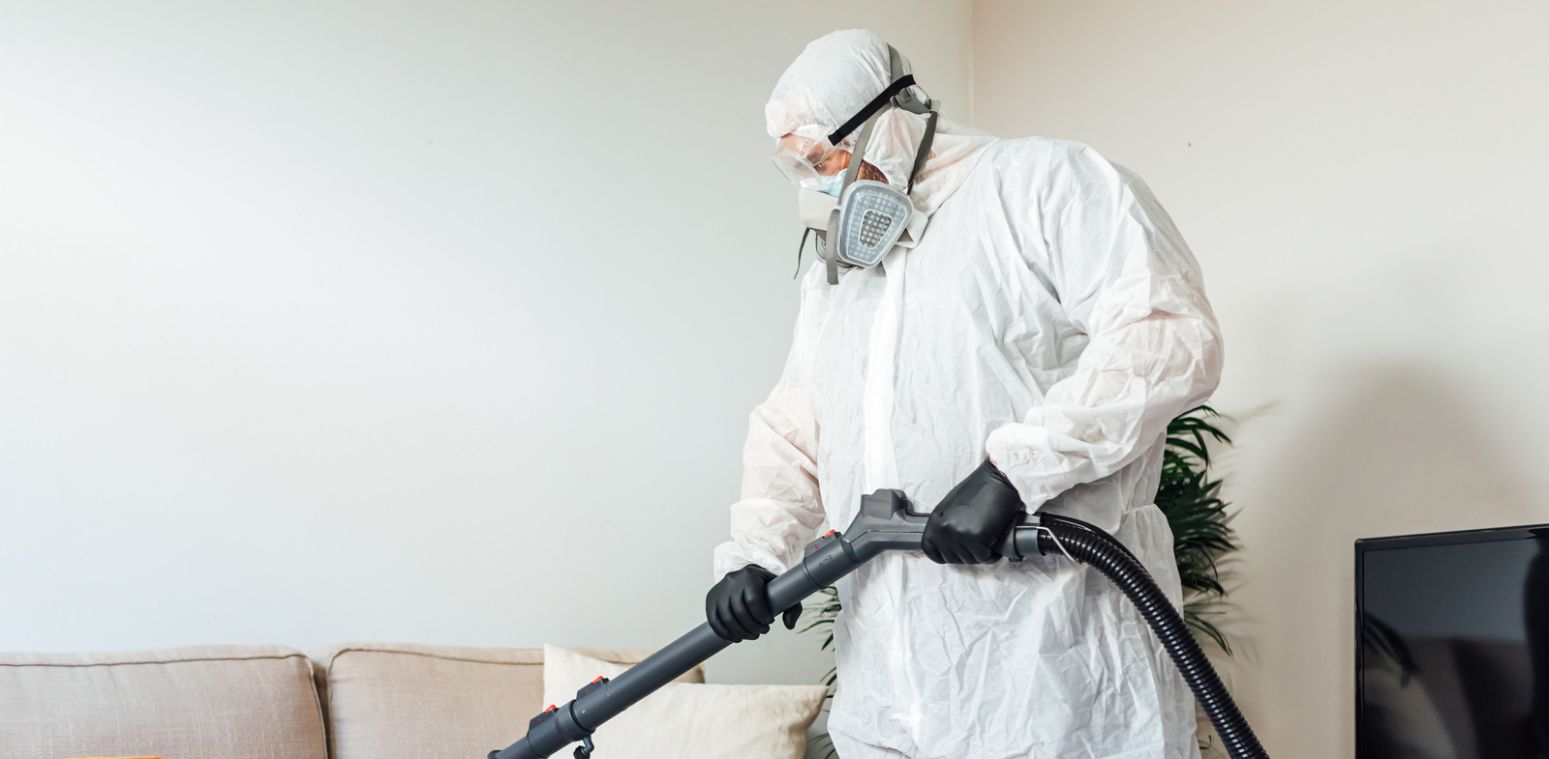
Vacuum carpets, skirting boards, furniture edges and pet resting areas. Empty the vacuum contents safely after cleaning.
3. Wash Pet Bedding and Household Fabrics
Wash suitable bedding, blankets and removable covers using the hottest temperature permitted by their care labels.
4. Clean Sofas, Upholstery and Hidden Areas
Focus on furniture seams, cushions, underneath sofas and other areas where flea eggs or larvae may accumulate.
5. Use Suitable Household Flea Treatments
Use household flea products only where their labels permit. Follow all safety instructions carefully.
6. Treat Other Affected Areas
Inspect rooms, pet resting places and sheltered spaces showing flea activity. Professional assessment may identify additional treatment areas.
7. Continue Cleaning and Monitor Flea Activity
Continue the recommended cleaning routine and monitor activity because new fleas may emerge from protected pupae.
How to Get Rid of Fleas in Different Areas of Your Home
Different surfaces require appropriate cleaning methods.
How to Remove Fleas From Carpets
Vacuum thoroughly, concentrating on carpet edges and areas frequently used by pets.
How to Deal With Fleas in Beds and Mattresses
Wash removable bedding and vacuum suitable mattress surfaces. Avoid applying pesticides unless specifically authorised for mattress use.
How to Remove Fleas From Sofas and Furniture
Vacuum upholstery carefully, including seams, cushions and underneath furniture.
How to Deal With Fleas on Hard Floors
Clean floor edges, gaps and skirting boards where flea eggs and debris may collect.
How to Get Rid of Fleas in a House Without Pets
Investigate possible wildlife activity, previous infestations or visiting animals before treating affected areas.
What Is the Best Flea Treatment for Your Home?
Treatment depends on the severity of the infestation and the surfaces involved.
Household Flea Sprays
Approved household flea sprays may help control fleas when applied correctly according to their labels.
Insect Growth Regulators
Some flea treatments contain insect growth regulators that interrupt flea development.
Steam Cleaning and Vacuuming
Appropriate steam cleaning and regular vacuuming can support flea control, although they may not eliminate every life stage.
Professional Flea Pest Control
Professional pest controllers can assess infestation levels and recommend suitable targeted treatment.
How Long Does It Take to Get Rid of Fleas?
Flea infestations can take several weeks or longer to resolve, depending on their severity and treatment.
Why Fleas May Still Appear After Treatment
Pupae inside protective cocoons can survive some treatments, allowing new adult fleas to emerge later.
How to Tell if Flea Treatment Is Working
You should gradually notice fewer fleas, reduced pet scratching and less activity around affected areas.
When a Second Treatment May Be Needed
Persistent flea activity may require reassessment. Ask your pest controller before repeating any chemical treatment.
DIY vs Professional Flea Treatment: Which Works Better?
Both approaches have a role, depending on the infestation.
When DIY Flea Control May Be Suitable
Early infestations may respond to veterinary pet treatment, thorough cleaning and correctly used household products.
When to Call a Professional Pest Controller
Consider professional flea pest control when infestations are widespread, persistent or repeatedly returning.
What Happens During Professional Flea Treatment
A pest controller inspects affected areas, selects suitable treatments and explains preparation and aftercare requirements.
Factors Affecting Flea Treatment Costs
Property size, infestation severity, treatment methods and additional visits can influence the overall cost.
How to Keep Children and Pets Safe During Flea Treatment
Safety is essential whenever household insecticides are used.
Using Household Insecticides Safely
Follow product instructions and never apply household flea sprays directly to animals.
Preparing Your Home for Professional Treatment
Remove pets, protect food and follow the technician’s instructions for preparing affected rooms.
When It Is Safe to Reenter Treated Rooms
Reentry times depend on the treatment used. Follow your pest controller’s advice, including ventilation and drying requirements.
How to Prevent Fleas From Coming Back
Regular prevention helps reduce the risk of another infestation.
Maintain Regular Pet Flea Prevention
Use veterinary recommended flea prevention suitable for your pets.
Clean Carpets and Pet Bedding Frequently
Regular vacuuming and washing help reduce flea eggs and environmental contamination.
Check Second Hand Furniture and Fabrics
Inspect used furnishings before bringing them indoors.
Monitor for Early Signs of Reinfestation
Watch for flea dirt, unusual pet scratching and new insect activity.
Frequently Asked Questions About Fleas in the House
What Kills Fleas in the House?
Thorough cleaning, suitable household flea treatments and veterinary pet treatment work together to control infestations.
Can Fleas Live in a House Without Pets?
Yes. Fleas can remain in properties after animals have left, particularly while immature stages continue developing.
How Long Can Fleas Survive in an Empty House?
Some flea pupae can remain dormant for weeks or months, depending on environmental conditions.
Does Vacuuming Get Rid of Fleas?
Vacuuming removes some fleas and immature stages, but it rarely eliminates an established infestation alone.
Can Fleas Live in Beds and Mattresses?
Yes. Fleas may be found in bedding or mattresses, particularly where infested pets regularly sleep.
Get Professional Help to Eliminate Fleas From Your Home
Getting rid of fleas requires patience, consistent cleaning and appropriate treatment. If fleas continue appearing despite your efforts, professional assistance can help identify the cause and recommend an effective solution.
At BEEKIND™ Pest Control, we help homeowners and businesses manage flea infestations with practical pest control solutions.
Whether you are dealing with fleas in carpets, furniture or several rooms, contact BEEKIND™ Pest Control to discuss your problem and arrange a professional inspection.