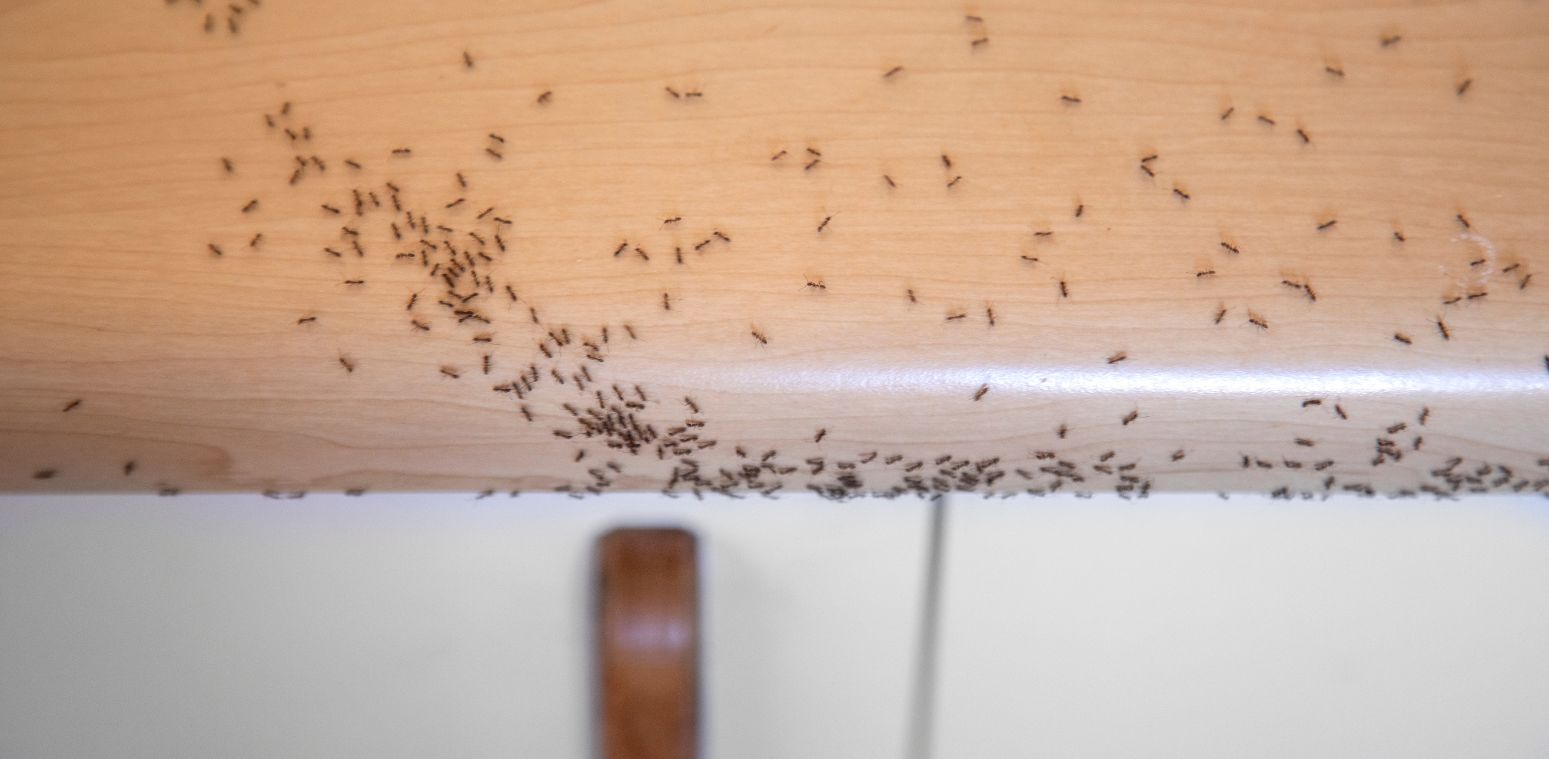
You walk into the kitchen one morning and notice a few ants near the worktop. A little later, there is a line of them heading towards the cupboard, bin or pet bowl. It can feel as though they have suddenly appeared from nowhere.
In reality, ants are usually looking for something quite simple. Food, water and shelter can all encourage them to enter a property. Once a worker ant finds a useful food source, other ants from the colony may begin following the same route.
Understanding how ants enter homes and how to prevent them can make the problem much easier to manage. A few practical changes around your home can reduce what is attracting them and make it more difficult for them to find their way indoors.
Why Do Ants Enter Homes?
Ants usually enter houses while searching for food, water or suitable shelter.
Worker ants leave their nest and explore the surrounding area. If your kitchen, utility room or another part of the property offers an easy food source, they may keep returning.
Seeing one or two ants does not always mean you have a serious infestation. However, regular ant trails or ants returning to the same place can suggest that they have found a reliable route into your home.
What Attracts Ants Into Your House?
Even clean and well maintained homes can experience ant problems. Ants only need access to a very small amount of food or moisture.
Food and Crumbs
Crumbs underneath appliances, food left on worktops and open packets can all attract ants.
Regular cleaning around less obvious areas, including underneath small appliances and around cupboards, can help remove potential food sources.
Sugary Foods and Drinks
Sweet foods and drinks can be particularly attractive to some ants.
Spilt juice, fizzy drinks, fruit and sticky food residue may be enough to encourage worker ants to investigate.
Pet Food
Pet bowls can provide an easy food source if leftovers remain available for long periods.
Where practical, remove uneaten pet food after feeding and clean around the bowl regularly.
Water and Moisture
Ants also need water.
A small leak beneath the sink, dripping tap or consistently damp area may provide enough moisture to attract them.
Warm and Sheltered Spaces
Ant colonies can be found in gardens, beneath paving and in other sheltered areas around properties.
If a suitable route leads from these areas into your home, ants may begin travelling indoors in search of food and water.
How Do Ants Get Into Your Home?
Ants are very small, which means they can use openings around a property that are easy to miss.
Gaps Around Windows
Small gaps around window frames or areas where sealant has deteriorated may provide access.
Spaces Under Doors
Exterior doors that do not close tightly can leave enough space for ants to enter.
Cracks in Walls and Brickwork
Small cracks and gaps around exterior walls may create routes into the building.
Gaps Around Pipes and Cables
Pipes and cables often pass through walls and floors.
If openings around them have not been properly sealed, ants may use these spaces to move indoors.
Skirting Boards and Floor Gaps
If ants regularly appear along the edge of a room, check around skirting boards and flooring.
The place where you see ants is not always the same place where they originally entered the property.
Wall Cavities and Foundations
Some ant routes are hidden.
They may travel through gaps within the structure before appearing in kitchens, bathrooms or other rooms.
Why Do Ants Follow the Same Route Into Your Home?
If you watch an ant trail for a short time, you will often notice the ants travelling backwards and forwards along a similar path.
There is a reason for this.
When a worker ant finds food, it can leave a chemical scent that helps other ants locate the same source.
What Are Ant Pheromone Trails?
Ants use chemical signals known as pheromones to communicate.
When a food source is found, worker ants can leave a trail that other members of the colony follow. As more ants use the route, the activity may become increasingly noticeable.
This is why removing only the ants you can see does not always stop the problem.
Cleaning surfaces can help remove food residue and disturb the trail, but it is also important to identify why the ants are coming inside.
Where Are Ants Most Commonly Found Indoors?
Kitchens
The kitchen is one of the most common places to find ants because it provides access to food, water and plenty of small hiding places.
Bathrooms
Bathrooms can attract ants where moisture is available, particularly around leaking pipes or damp areas.
Cupboards and Food Storage Areas
Open packets, crumbs and food residue inside cupboards can provide a reliable food source.
Around Windows and Doors
Ants seen around windows and exterior doors may be using small gaps to travel directly from outside.
How Can You Tell Where Ants Are Coming From?
Before removing an entire trail, spend a little time watching where the ants travel.
Look at where they appear and where they disappear. Check nearby doors, windows, skirting boards, cupboards, pipes and exterior walls.
You may not be able to locate the nest yourself, but finding a likely entry point can help you understand why the problem keeps returning.
How to Prevent Ants From Entering Your Home
Preventing ants is not about keeping every room perfectly spotless. Ant problems can occur in clean homes too.
The aim is to reduce easy sources of food and water while limiting obvious access points.
Seal Cracks and Gaps
Check around windows, doors, pipes and exterior walls for openings that can be repaired or sealed.
Keep Food in Sealed Containers
Keeping food properly stored makes it more difficult for ants to find a reliable source.
Clean Crumbs and Spills Quickly
Wipe worktops and clean up spills when you notice them, particularly anything sweet or sticky.
Empty Bins Regularly
Keep household bins closed and remove food waste regularly.
Remove Pet Food After Feeding
Avoid leaving uneaten pet food available for long periods where possible.
Fix Leaks and Reduce Moisture
Check beneath sinks and around plumbing for dripping water or damp patches.
Keep Vegetation Away From Exterior Walls
Plants and vegetation touching the building can provide insects with another route towards windows, walls and roof areas.
Keeping growth under control can form part of general pest prevention around your property.
How Can You Remove Ant Trails?
Start by cleaning the surfaces where ants have been travelling.
Removing food residue and spills helps take away the reason they were visiting.
If ants continue returning to the same area, simply cleaning the visible trail may not be enough. There may be an active colony nearby or another route into the property.
Should You Use Ant Bait or Ant Spray?
Products available for household ant control work in different ways and should always be used according to their instructions.
Treating the ants you can see may not necessarily deal with the wider colony.
If ant activity keeps returning or you are unsure about using pest control products safely around children, pets or food preparation areas, professional advice can help you decide on the most suitable approach.
BEEKIND™ Pest Control provides domestic pest control and insect control services, with each property assessed according to the pest involved, the layout of the building and the level of activity present.
How Can You Stop Ants Coming Back?
Long term ant prevention usually involves dealing with both the reason ants are visiting and the way they are entering.
Store food properly, clean spills, manage household waste, repair leaks and seal obvious gaps where practical.
If the same problem appears every year, there may be a nearby colony or established access route that requires closer inspection.
When Are Ants Most Active in the UK?
Ant activity usually becomes more noticeable as the weather gets warmer.
Colonies become more active and worker ants spend more time searching for food. Open doors and windows during warmer weather can also provide additional routes into a property.
What Are the Signs of an Ant Infestation?
Occasionally seeing one ant does not necessarily indicate a significant problem.
Signs worth watching for include regular ant trails, increasing numbers of ants, activity repeatedly returning to the same area and ants continuing to appear after obvious food sources have been removed.
You may also notice activity around paving, exterior walls, cracks or other sheltered areas near the property.
When Should You Call a Professional Pest Controller?
If ants continue returning despite cleaning, removing food sources and dealing with obvious entry points, professional pest control may be the next step.
A trained pest professional can inspect the property, consider where the ants are travelling and determine an appropriate approach based on the individual situation.
BEEKIND™ Pest Control provides domestic pest control and insect control across Chippenham, Bath and surrounding areas. All services are carried out by the company’s in house team, with the size and layout of the property considered before deciding on the most suitable solution.
As an NPTA Servicing Member, BEEKIND™ follows recognised pest management standards while maintaining the company’s focus on responsible and environmentally conscious pest control.
Frequently Asked Questions
Why do I suddenly have ants in my house?
Ants can suddenly become noticeable when worker ants discover food or water inside your property. Warmer weather can also increase colony activity.
How are ants getting into my kitchen?
Ants may enter through small gaps around windows, doors, pipework, walls, floors or other openings around the property.
What attracts ants indoors?
Crumbs, sweet foods, spills, pet food, household waste and moisture can all encourage ants to enter.
Can ants come through small cracks?
Yes. Their small size allows ants to use cracks and gaps that may be difficult to notice.
How do I find where ants are entering my house?
Watch the direction of the ant trail and check where the ants disappear. Look around doors, windows, pipes, skirting boards, cupboards and exterior walls.
Ants are a common household pest, particularly during warmer periods, but you should not have to keep dealing with the same problem every year. Practical prevention can make your property less attractive to them, while persistent activity may benefit from professional inspection.
If ants are becoming a recurring problem in your home, BEEKIND™ Pest Control can assess the situation and provide appropriate insect control and prevention advice for properties across Chippenham, Bath and the surrounding areas.
Need help with insects? BEEKIND™ provides professional insect control, including wasp nest removal, across Chippenham, Bath and the surrounding areas. Call 01225 285825 or 01249 698335, or book an inspection online.