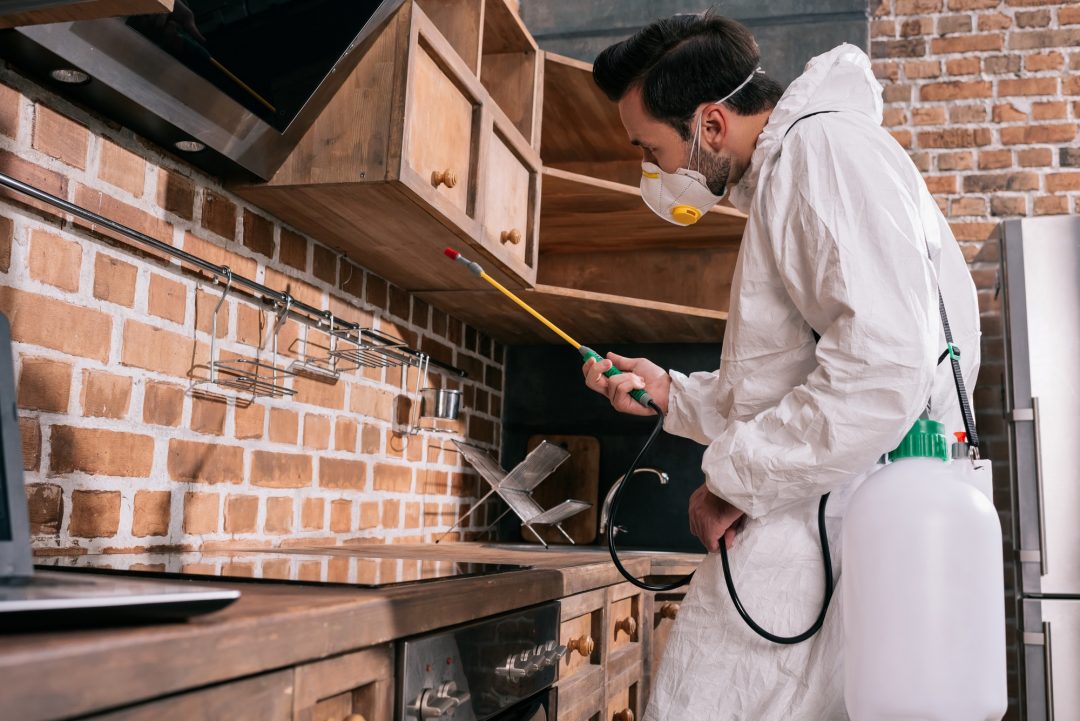
Pest control is rarely as simple as identifying a pest and applying a treatment. Every property is different, and the safest approach depends on the pest involved, the layout of the building, access conditions and the people or animals who may be nearby.
A honey bee removal may involve accessing a colony within the structure of a building. Bird proofing or solar panel proofing can involve working around roofs and difficult access areas. Rodent control requires careful consideration of where treatments or traps are positioned, particularly around children, pets and wildlife.
This is where pest control RAMS become important.
At BEEKIND™ Pest Control, we provide domestic and commercial pest control in Chippenham and surrounding areas. As no two jobs are ever the same, assessing the property and understanding the conditions on site are important parts of deciding how work should be approached.
What Are RAMS in Pest Control?
RAMS stands for Risk Assessments and Method Statements.
A pest control risk assessment looks at the hazards connected with a particular job, who could potentially be affected and what precautions may be needed.
The method statement focuses on how the work will actually be carried out. It can cover the equipment required, access arrangements, treatment methods, protective measures and the sequence in which the work should take place.
Together, these documents can support a safer and more consistent approach to pest control work.
Why Are RAMS Important in Pest Control?
The risks involved in pest control can change considerably from one property to another.
For example, removing a honey bee colony from an easily accessible location is very different from dealing with a colony located inside a roof or another part of the building fabric.
The same applies to bird control, loft clearances, insect treatments, rodent prevention and woodworm treatments.
RAMS help technicians think about these differences before beginning work. They can help protect the technician, property owner, customers and anyone else who may be affected by the treatment.
They are particularly useful for commercial pest control, where contractors may also need to follow site specific health and safety procedures.
What Are the Main Risks During Pest Control Work?
The hazards depend on the service being provided and the property being treated.
Working at height can be relevant during bird control and proofing, solar panel proofing and some bee removals. Roof areas and difficult access points can introduce additional hazards that need to be considered before work starts.
Loft clearances can involve restricted movement, insulation, poor lighting and potentially contaminated materials.
Insect and rodent treatments can involve pest control products that need to be selected, handled and positioned correctly.
Bee removal creates its own considerations. Honey bee colonies can sometimes be located within walls, roofs and other parts of a building. Access may involve removing sections of building fabric, while technicians also need to consider the risk of being stung and how the colony can be removed safely.
A proper assessment helps determine which risks actually apply to each job.
What Should a Pest Control Risk Assessment Consider?
A risk assessment should begin with the property itself.
The technician needs to understand where the pest activity is taking place, how the area can be accessed and whether there are any obvious hazards that could affect the work.
The next consideration is who could be affected. In a domestic property this could include household members, children or pets. On a commercial site, employees, customers, visitors and other contractors may also need to be considered.
The technician can then consider suitable measures for reducing the identified risks.
This is one reason why a professional pest inspection is valuable. At BEEKIND™ Pest Control, we consider the size and layout of the property as well as the pest involved when determining an appropriate solution.
What Should a Pest Control Method Statement Cover?
A method statement explains how the pest control work is intended to proceed safely.
Its contents will depend on the service.
For rodent control and prevention, this may include inspection, identifying pest activity, choosing suitable control methods and deciding where equipment or treatments can be safely positioned.
For bird control and proofing, the method may need to consider access and the installation of suitable proofing measures.
For a honey bee removal, the process can be more involved. BEEKIND™ Pest Control offers project management for bee removals that can include investigation, removal, reinstatement and proofing.
The method statement should therefore relate to the actual work rather than simply using the same procedure for every pest problem.
Why Site Specific RAMS Matter
Generic documents can provide a starting point, but they cannot account for everything a technician may encounter.
Two properties with the same pest problem can require very different approaches.
One rodent problem may be confined to an accessible area, while another could involve activity within difficult parts of a building. One bee colony might be relatively straightforward to reach, while another may require access through building fabric.
This is why site specific pest control RAMS are valuable. They allow the working method to reflect the property, pest activity and actual conditions encountered.
For commercial pest control, site specific documentation can be especially important because businesses may have their own access rules and contractor procedures.
What Is a Dynamic Risk Assessment?
Not every hazard can be identified before work begins.
Conditions can change once a technician starts inspecting a property. A loft may contain an unexpected access problem. Pest activity may be found somewhere different from where it was originally reported. The technician may uncover structural issues or another condition that affects the planned treatment.
A dynamic risk assessment means continuing to consider safety while the job is taking place.
Where new hazards appear, the working method may need to change before the job continues.
This approach is particularly important because BEEKIND™ Pest Control provides several services where the full extent of the problem may only become clear following a detailed inspection.
Chemical Safety During Pest Control
Some pest control services may involve rodenticides, insecticides or other treatment products.
These need to be handled and used appropriately, taking account of the property and surrounding environment.
For example, rodent control and prevention should consider where control measures are placed and whether children, pets or wildlife could gain access to them.
The same principle applies to insect control. The appropriate treatment will depend on the insect, where the activity is occurring and how the area is used.
Chemical treatment is not automatically the answer to every pest problem. The correct approach depends on what is found during the inspection.
Humane Pest Control and Protecting Wildlife
Risk management is not only about protecting people.
BEEKIND™ Pest Control was created with a strong focus on humane approaches to wildlife and saving what can reasonably be protected from unnecessary harm.
Honey bees are particularly important to this approach.
Rather than treating every bee problem as something that simply needs destroying, BEEKIND™ offers live honey bee removal and relocation. The process can involve finding and safely removing the colony, including locating the queen, before the bees are rehomed.
Protecting wildlife and non target species should therefore form part of the wider thinking around safe and responsible pest management.
RAMS for BEEKIND™ Pest Control Services
Different BEEKIND™ services naturally involve different working conditions.
Bee removals may involve accessing building fabric, managing sting risks and carefully removing a live colony.
Bird control and proofing, along with solar panel proofing, may require access to elevated areas of a property.
Loft clearances can involve restricted spaces and contaminated materials, while rodent control and prevention requires careful consideration of treatment placement.
Insect control and woodworm treatments may involve specific products and treatment areas.
Commercial pest control can introduce additional requirements because work may be taking place around employees, customers and other contractors.
This is why the risk assessment and working method should reflect the service being carried out.
Why RAMS Should Be More Than Paperwork
RAMS are only useful when they relate to the real job.
A document that is completed and then ignored does little to improve working practices.
Technicians need to understand the hazards that have been identified and how those risks should influence the way they work.
If conditions change, the assessment should be reconsidered rather than following the original plan regardless.
This practical approach is particularly relevant to pest control because no two jobs are exactly the same.
RAMS for Domestic and Commercial Pest Control
Health and safety considerations apply to both residential and commercial pest control, although the working environments can be very different.
At a residential property, consideration may need to be given to family members, pets and how different parts of the home are used.
Commercial pest control can involve additional factors, including employees, customers, visitors, restricted areas and site procedures.
Understanding these differences before beginning work allows the pest controller to choose a more appropriate working method.
A Professional Approach to Pest Control in Chippenham
Good pest control starts with understanding the problem rather than rushing into treatment.
At BEEKIND™ Pest Control, our in house team provides bee removals, bird control and proofing, commercial pest control, domestic pest control, insect control, loft clearances, rodent control and prevention, solar panel proofing and woodworm treatments.
Our approach considers the property, the pest and the work required, while maintaining the humane principles behind the BEEKIND™ name.
For pest control services in Chippenham and surrounding areas, you can contact BEEKIND™ Pest Control to discuss the problem and arrange a visit.
Frequently Asked Questions About Pest Control RAMS
What does RAMS mean in pest control?
RAMS stands for Risk Assessments and Method Statements. They help identify potential hazards and establish how pest control work should be carried out safely.
Does every pest control job have the same risks?
No. The risks can vary according to the pest, property, access conditions and treatment required. This is why site specific assessment is important.
Why are site specific pest control RAMS important?
Every property is different. Site specific RAMS help ensure that the working method takes account of the actual environment rather than relying entirely on a generic procedure.
Are risk assessments important for bee removal?
Yes. Honey bee removal can involve sting risks, difficult access and work involving parts of the building fabric. BEEKIND™ Pest Control’s live honey bee removal service focuses on safely removing and rehoming colonies where possible.
What pest control services does BEEKIND™ provide?
BEEKIND™ Pest Control provides bee removals, bird control and proofing, commercial and domestic pest control, insect control, loft clearances, rodent control and prevention, solar panel proofing and woodworm treatments in Chippenham and surrounding areas.