




Woodworm Treatment in Bristol
BEEKIND™ delivers professional woodworm treatments in Bristol, Bath, Chippenham, Melksham, Trowbridge, and nearby areas, protecting properties from structural damage caused by wood-boring insects. Our expert surveys, targeted treatments, and long-term guarantees ensure effective eradication and prevention. Trust our experienced pest control team to restore your timber’s strength and safeguard your home’s future.
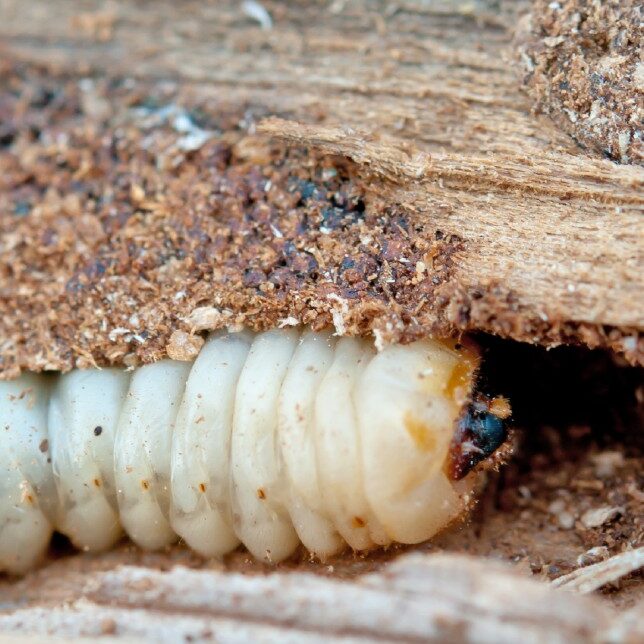
Professional Woodworm Treatments & Prevention in Bristol, Bath, Chippenham, Melksham, Trowbridge & the Surrounding Areas
Protecting your home from woodworm damage is crucial for maintaining its structural integrity and value. With proactive woodworm treatments and control services, you can safeguard your property and enjoy long-term peace of mind. Our pest control company specialises in delivering reliable and practical woodworm removal solutions that eliminate infestations and restore affected areas. We only carry out surveys and treatments on structural areas of your property. We do not carry out treatments on furniture, exposed beams that have been sandblasted, or painted surfaces.
For residential and commercial pest control services in Bristol, Bath, Chippenham, Melksham, Trowbridge, and the surrounding areas, BEEKIND™ is the first choice for effective and permanent results. Our results and online reviews speak for themselves, so please contact us to arrange a visit and prevent your infestation from causing further damage and distress. We even guarantee our treatments for up to 20 years.
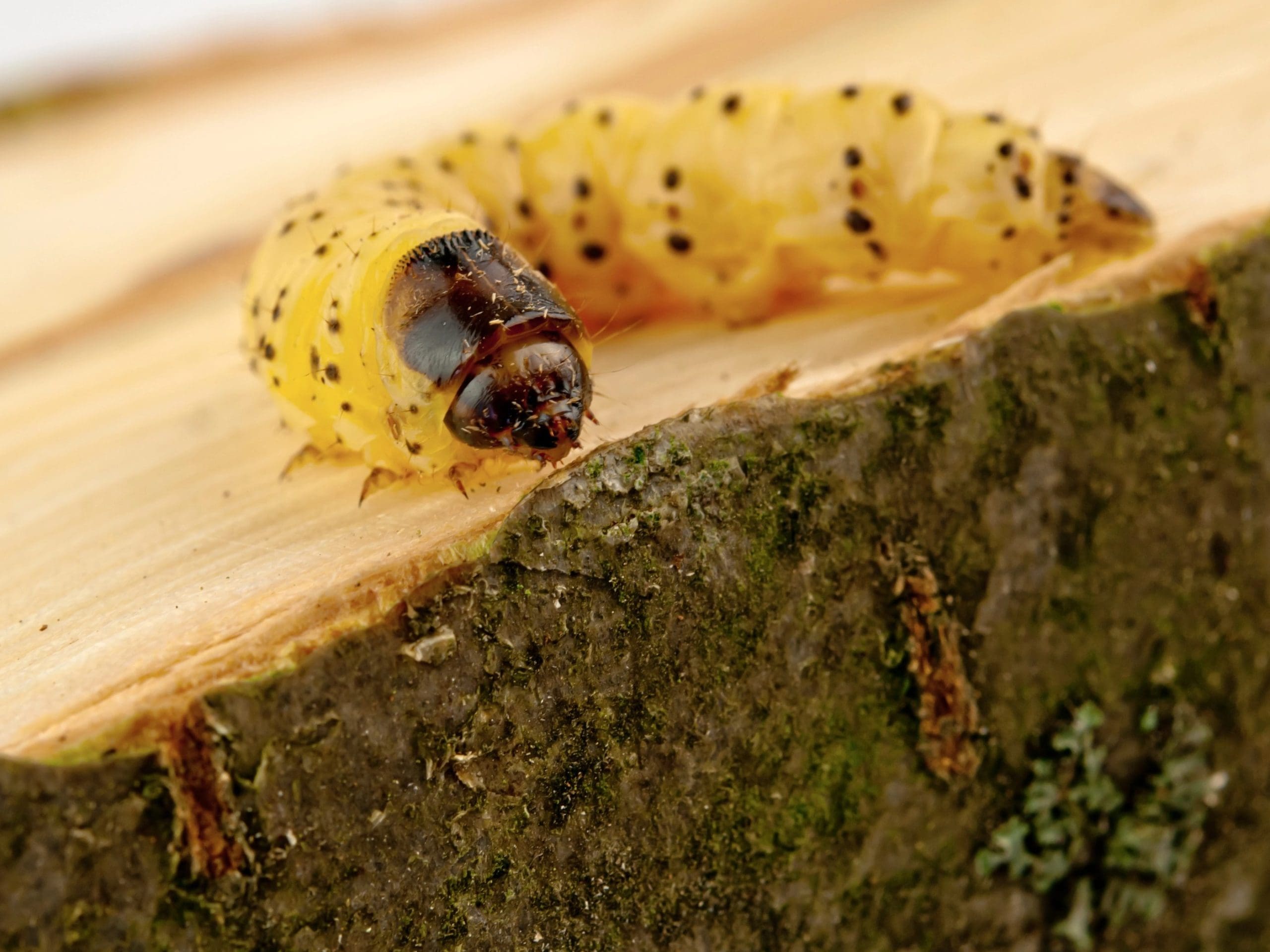
What is Woodworm?
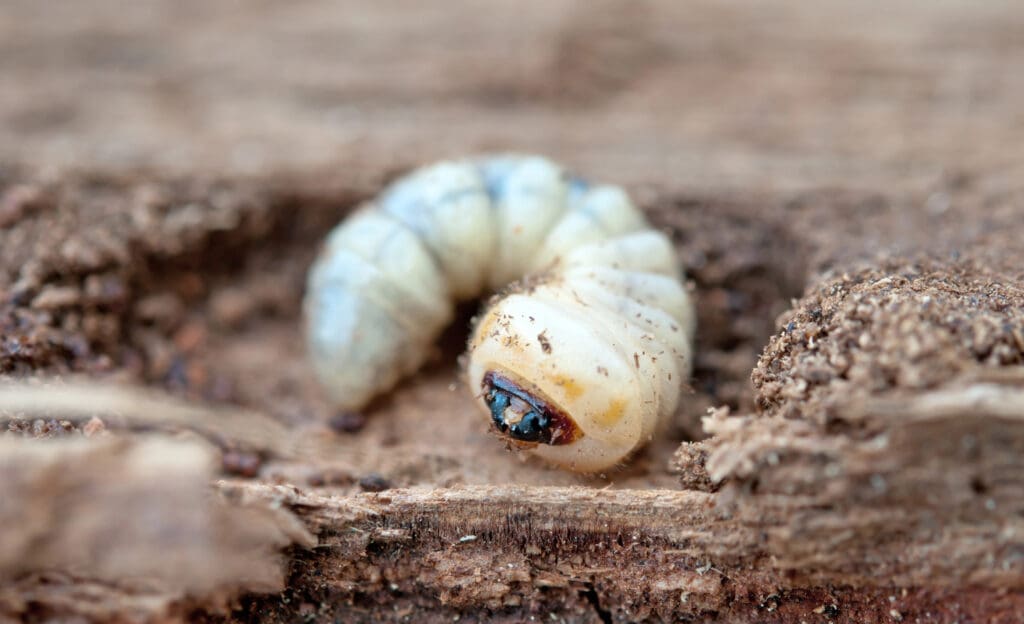
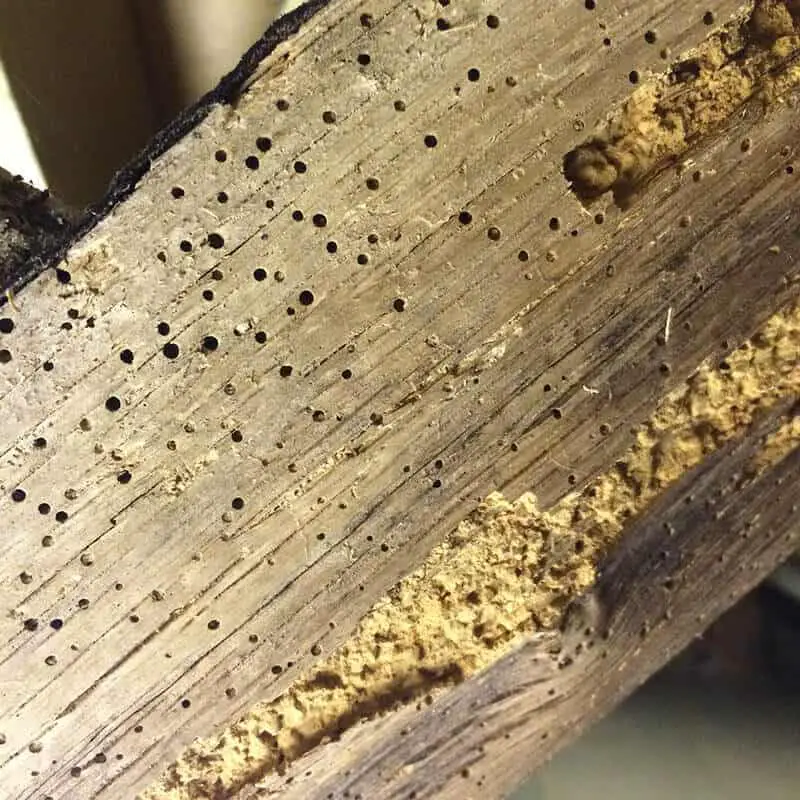
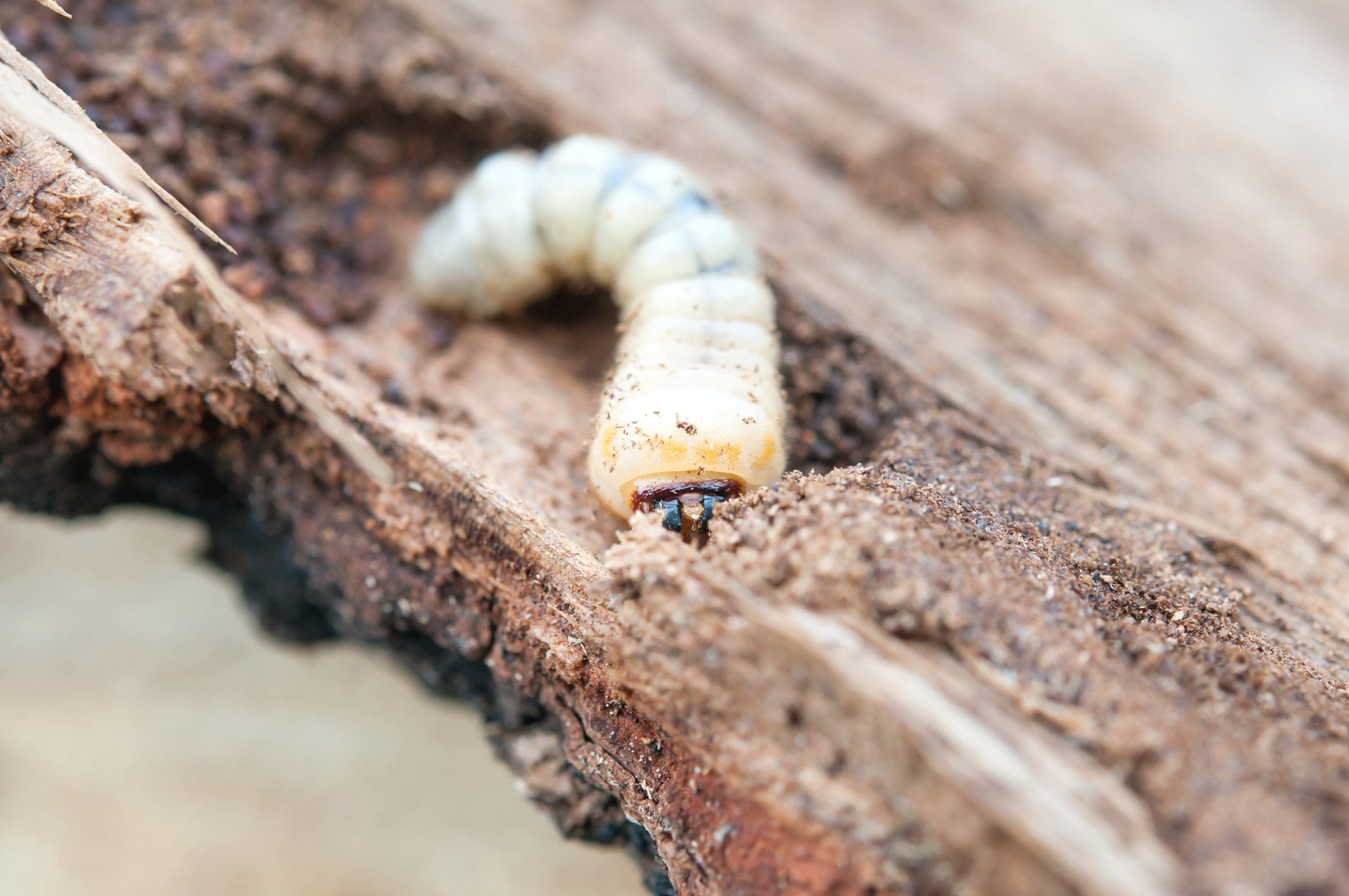
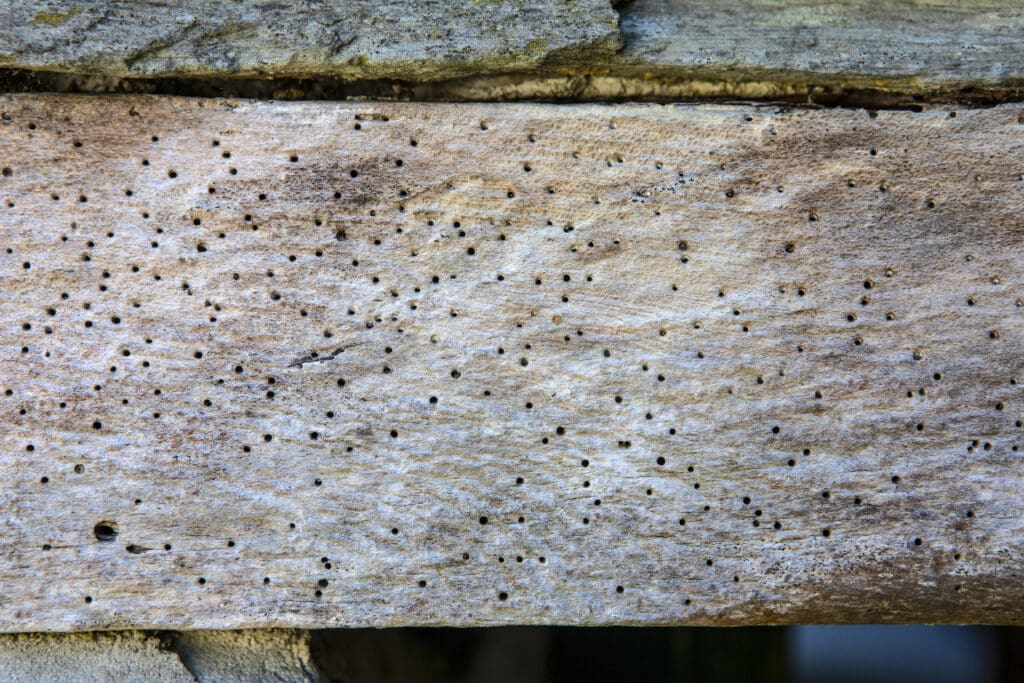
Woodworm, also known as wood-boring grubs, can cause extensive damage to timber structures within your home. These tiny pests burrow into wood, leaving small holes and intricate tunnels behind. Their eggs are laid on sapwood, the softer part of the wood. Once hatched, the larvae will begin burrowing deep into the beam’s core. Common furniture beetle larvae can stay in the beams for up to five years, while deathwatch larvae can remain for up to ten years.
Common furniture beetles create holes with a diameter of 2mm, while deathwatch beetles create holes up to 4mm. The latter are declining as they prefer oak, which is now rarely used in the building industry due to cost. Additionally, old beams protected with varnish or wood preservatives prevent deathwatch beetle eggs from penetrating the surface, contributing to their population decline.
Please note that, deathwatch beetle removal can be complex and costly to treat due to the nature of the grub inside. We may need to carry out a few treatments using gel and spray treatments to fully control deathwatch beetles in your beams.